12. Table of Contents Previous Next
8/21/26
“Hillbilly Music at the Yacht Club”
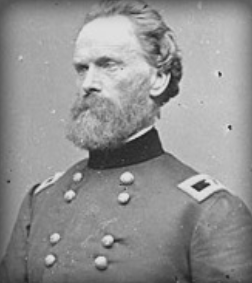
I’ll talk about the music presently but for you to get the entire picture, I’ll have to tell a little history. The State of Maryland lies south of the Mason-Dixon line and until recently (during my lifetime, if that’s recent), it was considered a Southern state by geographers and political analysts. Marylanders cast only 2.5 percent of their votes for Lincoln in 1860, and the state was prevented from seceding by some shenanigans, including temporarily moving the state legislature from Annapolis to Frederick, an anti-secessionist stronghold. On April 19th, 1861, secessionists rioted in Baltimore, attacking the Union troops passing through on their march farther south. The 1st Massachusetts Infantry, commanded by Colonel Robert Cowdin suffered casualties during the affair. Interestingly, “Maryland my Maryland,” the state song until 2021, includes a verse about the riot, espousing a pro-Southern viewpoint. All that history is to show you that Maryland was undoubtably considered to be hostile territory by Col. Cowdin, who ultimately caused hillbilly music to be played at a yacht club in 1990.
Now, let’s move about sixty miles south of Baltimore to Shady Side, Maryland, on the shore of Chesapeake Bay. It’s still 1861, a few weeks after the Baltimore tumult. Ulysees Griffeth Owings, great grand uncle of artist, bluesman, and old-time banjo player, Neil Harpe, was minding his general store (and his own business). His wares included watches, Havana cigars, horse tack, groceries, sewing accessories, hardware, and many more things that the community of mostly watermen and their families might need. Also in the store were his musical instruments, including a banjo and two fiddles. All of a sudden, the Yankees were coming! They were still angry about their losses in Baltimore and were ready to plunder. The rampaging troops broke into the store, which Owings had evacuated just in time, and relieved the proprietor of his goods and instruments.
On September 13th, Owings wrote to Col. Cowdin, protesting the raid. His letter, shown to me by Neil, begins: “Dear Sir, Your men, whilst in our village, broke in my store and took a lot of articles... .” He went on to say that because of the theft, he was destitute and could no longer support his family. Owings included a list of the stolen articles, describing the banjo and fiddles in detail. After the war ended in 1865, miraculously, one of the fiddles (but nothing else) was returned to him by the War Department.
Now, we jump to 1990. The raid on Shady Side was still present in the oral histories of many of the town’s families, who frequently told of their forbearers’ roles that day to anyone who would listen. Neil Harpe, descendant of the unfortunate merchant, let it be known that he owned his ancestor’s fiddle, the very one that had been stolen and returned. So, the Shady Side Historical Society planned a soirée at the Chesapeake Yacht Club to celebrate the 125th anniversary of the instrument’s return. Neil allowed as how he was a member of an old-time country music band who could perform at the event.
The Weems Creek Ramblers – Neil on banjo, fiddler Andy Martin, and me playing rhythm guitar, were booked! What caused the mess that followed was that the local press used the terms “violin” and “concert,” instead of “fiddle” and “ shindig.”
The night of the show, we Ramblers entered the club in country garb, including bib overalls and work boots, which gained us some puzzled looks during load-in. The audience, some of them in tuxedos, were starting in on their Chateau La Who Knows What? and their hors d'oeuvres, expecting to hear a composition by Paganini. What they got was a nearly perfect imitation of Gid Tanner. We started the show with the Uncle Dave Macon classic, “Sail Away Ladies,” which features the line, “Chew my tobacco and spit my juice,” admittedly, not the best subject for an audience engaged in dining.
When we finished that opening number, the entire audience sat there, silent, mouths wide open, except for one woman who clapped briefly. That was fortunate, because the rest of the audience, who had been gawking at us, collectively directed their indignation toward her. What were we going to do? In the spirit of Scotty Stoneman, who when faced with a similar situation, said “We’re gonna leave our blood on the floor,” we played as hard and fast as we could. We played “Train on an Island,” “Moving Day,” “Sally Gooden,” Sally Ann,” and “The Bum’s Hotel.” We stomped, we hollered, we crowed like roosters and rambled as much as a rambler can ramble. As the night went on and the patrons got tipsy, they opened to us just a little, cautiously smiling occasionally while hoping their friends didn’t notice. After our last number, “Stuck My Finger in a Duck’s Eyeball,” a few applauded politely, and it was over. One man came up and asked, trying to be friendly after our cold reception, “Where else do you fellows play?” (As if he would come and see us, right!) I said, “We only play at yacht clubs.”
Photos:
1. Sketch of the Weems Creek Ramblers by Neil Harpe (Tom Mindte, Andy Martin, Neil)
2. Record jacket – “Homer and Jethro at the Country Club” – Illustrative of our reception at the yacht club
3. Colonel Robert Cowlin
4. Portion of the letter from Owings to Cowlin
Tom Mindte
August 2026 Sketch of the Weems Creek Ramblers by Neil Harpe (Tom Mindte, Andy Martin, Neil)
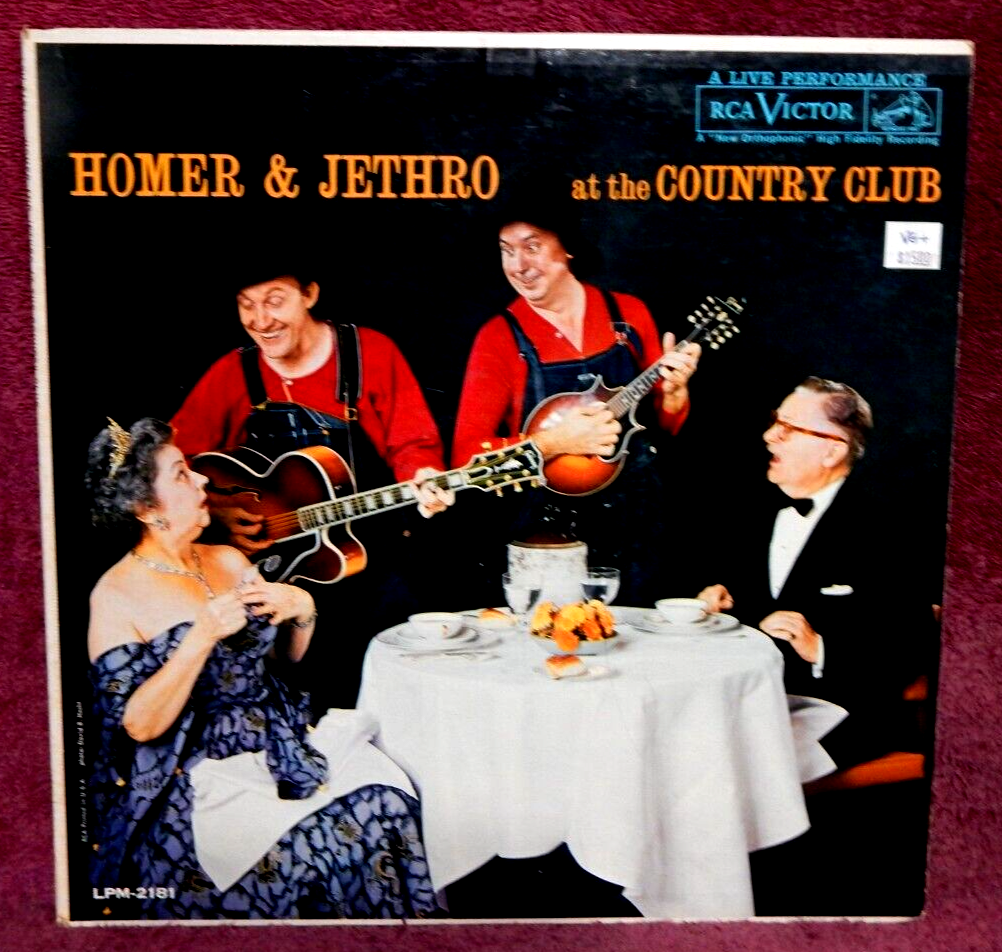
Record jacket – “Homer and Jethro at the Country Club - – Illustrative of our reception at the yacht club
Colonel Robert Cowlin
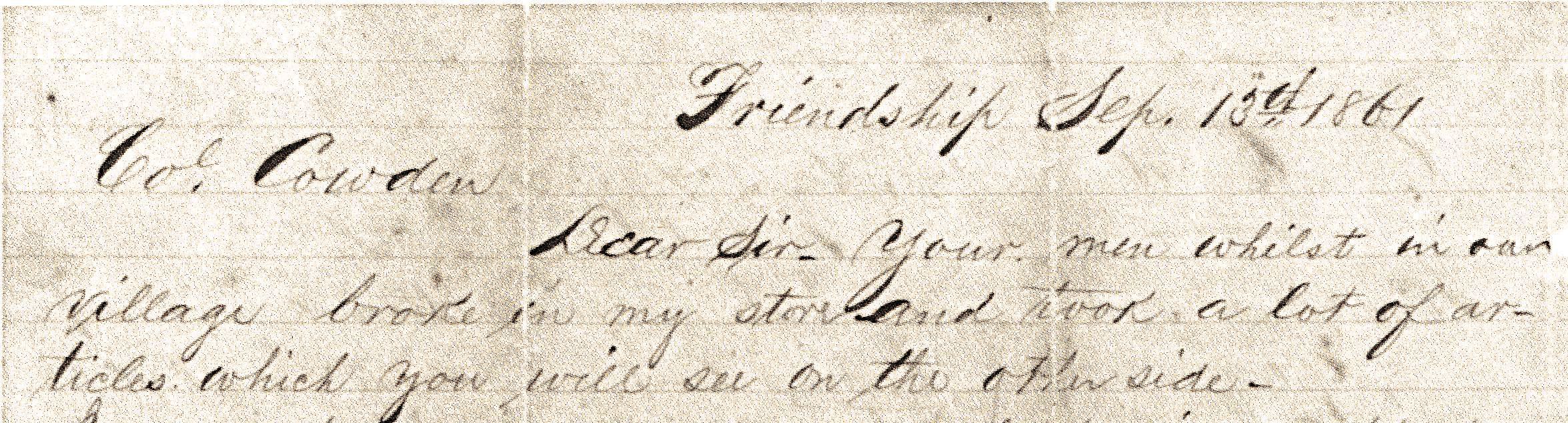
Portion of the letter from Owings to Cowlin